
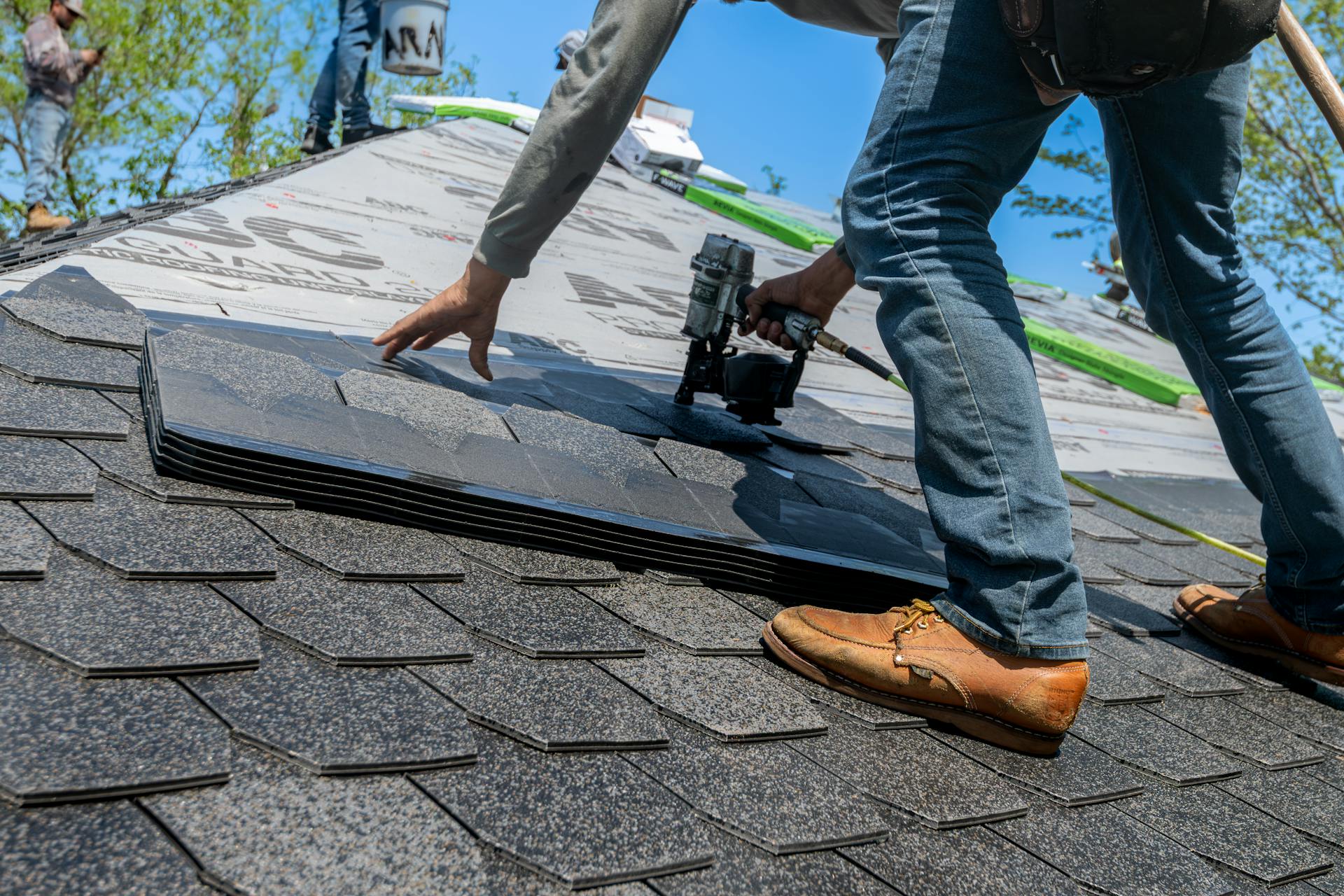
Roof replacement is one of those home projects that nobody really wants to think about until water starts dripping into their living room. But here’s the thing – waiting until you have an emergency is like trying to find a plumber at 2 AM on Christmas morning. It’s going to cost you way more, and you’ll have fewer good options.
I’ve seen too many homeowners in Brooklyn and throughout New York make the same mistakes when it comes to their roofs. They ignore the warning signs, put off the inevitable, and then scramble when Mother Nature decides to test their patience. Let me save you from that headache.
Why Roof Replacement Matters for NY Homeowners
Living in New York means your roof takes a beating. We get everything from scorching summers to brutal winters, plus those lovely nor’easters that seem to find every weak spot in your roofing system. Your roof isn’t just keeping the rain out – it’s your first line of defense against ice dams, heavy snow loads, and those surprise hailstorms that pop up out of nowhere.
Think about it this way: your roof covers literally everything you own. When it fails, it’s not just about fixing the roof itself. You’re looking at damaged insulation, ruined belongings, potential mold issues, and structural problems that can cost tens of thousands to repair.
Common Signs It’s Time for a New Roof
Here are the red flags that should have you picking up the phone:
Missing or damaged shingles – If you can see bare patches or shingles in your gutters, that’s your roof crying for help.
Age of the system – Most asphalt shingle roofs last 20-25 years. If yours is pushing that age, start planning for roof replacement even if it looks okay.
Granule loss – Those little rock-like pieces in your gutters? That’s your shingles breaking down from UV exposure.
Sagging areas – This screams structural problems and needs immediate attention.
Interior water damage – Stains on your ceiling or walls mean water is already getting through.
Energy bill spikes – Poor insulation from an aging roof shows up in your heating and cooling costs.
Understanding Roof Replacement
Let’s get real about what a roof replacement actually involves. This isn’t like painting your living room where you can knock it out over a weekend.
A complete roof replacement means stripping everything down to the deck, inspecting the underlying structure, and building your roof system back up from scratch. We’re talking about removing old shingles, underlayment, flashing, and anything else that’s seen better days.
Tear-off vs. Overlay Methods
You’ll hear contractors talk about tear-off versus overlay methods. Here’s the straight talk:
Tear-off means ripping everything off and starting fresh. It costs more upfront, but you get a roof that’ll actually last. You can inspect the deck for damage, upgrade your ventilation, and know exactly what you’re working with.
Overlay means slapping new shingles over the old ones. It’s cheaper initially, but it’s like putting makeup on a zombie. You can’t fix underlying problems, the extra weight stresses your structure, and many manufacturers won’t honor warranties on overlay installations.
I always recommend tear-off for roof replacement projects. Yes, it costs more upfront, but you’re actually solving problems instead of just covering them up.
Average Lifespan of Common Roofing Systems
Different materials have different lifespans:
- Asphalt shingles: 20-30 years (depending on quality – basic 3-tab last 15-20 years, architectural shingles last 25-30 years)
- Metal roofing: 40-70 years
- Slate: 75-100+ years (but expensive and heavy)
- Clay tiles: 50-80 years
- EPDM (rubber): 15-25 years
For Brooklyn’s many row houses and commercial buildings, flat roofing systems like EPDM and modified bitumen are popular choices.
Choosing the Right Roofing Material
This is where most homeowners get overwhelmed. Let me break down your options without the sales pitch.
Asphalt Shingles
These are the workhorses of the roofing world. They’re affordable, easy to install, and come in tons of colors and styles. For most Brooklyn homes, architectural shingles are the sweet spot – they look good, perform well, and won’t break the bank.
Quality asphalt roofing materials from trusted manufacturers provide excellent value for Brooklyn homeowners.
Metal Roofing
Metal has gotten huge lately, and for good reason. It lasts forever, reflects heat (great for those NY summers), and holds up to severe weather. The downside? It’s noisy during rain and costs more upfront.
Slate and Other Premium Options
Slate looks incredible and lasts basically forever, but it’s expensive and heavy. Your roof structure needs to handle the weight, and finding qualified installers gets tricky.
Factors to Consider
Climate – NY weather is tough on roofs. Ice dams are real, wind-driven rain happens, and thermal cycling (heating and cooling) breaks down materials faster.
Cost – Don’t just look at material costs. Factor in installation, permits, and long-term maintenance.
Aesthetics – Your roof is a huge part of your home’s curb appeal. Choose something that fits your neighborhood and style.
Energy efficiency – Light-colored materials reflect heat. Dark materials absorb it. Think about your cooling costs.
The Roof Replacement Process
Here’s what actually happens when you hire professionals for your roof replacement:
Inspection and Assessment
A good contractor will perform thorough roof inspections, crawl around your roof, check your attic, and give you an honest assessment. They should explain what needs fixing and why. If someone tries to sell you a roof replacement from the ground level, run.
Preparing the Home and Property
Before work starts, everything around your house gets protected. Tarps go down, plants get covered, and your HVAC system gets shut off to prevent debris from getting sucked in.
Installation Steps Explained
The crew strips off old materials, inspects and repairs the deck, installs new underlayment and flashing, then works their way up from the bottom with your new roofing material. Good contractors work systematically and clean up daily.
Cleanup and Final Walkthrough
Professional crews use magnetic rollers to pick up nails, haul away all debris, and do a final inspection with you to make sure everything meets expectations.
Roof Replacement Costs & Budgeting
Let’s talk money. In New York, roof replacement typically runs between $10,000-$30,000+ for an average home, with NYC projects often at the higher end due to urban complexity, labor costs, and accessibility challenges.
Key Factors That Affect Price
Size – Measured in “squares” (100 square feet each). A 2,000 square foot roof area is 20 squares.
Materials – Asphalt shingles are most budget-friendly, premium materials cost significantly more.
Labor – NYC and surrounding areas have higher labor rates than national averages.
Building complexity – Steep roofs, multiple stories, and tight urban spaces increase costs.
Permits – NYC requires permits for roof replacement, typically $500-$1,500 depending on project scope.
Disposal – Getting rid of old materials costs money, especially in the city.
Financing and Insurance Considerations
Many homeowners don’t realize their insurance might cover roof replacement if damage was caused by a covered peril like storms or hail. Document everything, get professional assessments, and work with your insurance adjuster.
For financing, some contractors offer payment plans, or you might consider a home equity loan or personal loan for major roof replacement projects. Some areas offer energy efficiency rebates for qualifying roofing materials.
Additional Considerations
Ventilation and Insulation Upgrades
Your roof replacement is the perfect time to upgrade ventilation and insulation. Proper ventilation prevents ice dams and extends your roof’s life. Better insulation cuts energy costs and improves comfort.
Adding Skylights, Solar Panels, or New Gutters
If you’ve been thinking about skylights or solar panels, roof replacement is the time to do it. It’s much easier and cheaper than retrofitting later. Same goes for gutters – if yours are shot, replace them while the roof work is happening.
Timing the Project Around Weather and Availability
Spring and fall are roof replacement season in NY. Contractors get booked up, and prices can be higher. Winter work is possible but weather-dependent. Summer can be brutal for workers but offers the most reliable weather windows.
Conclusion
Here’s the bottom line: roof replacement is a big investment, but it’s also one of the most important things you can do for your home. Don’t wait until you have an emergency. Plan ahead, choose quality materials and contractors, and do it right the first time.
The key takeaways? Watch for warning signs, get multiple quotes, choose tear-off over overlay, hire local licensed contractors, and time your project when weather cooperates. Your future self will thank you when you’re warm and dry instead of dealing with buckets and tarps.
Ready to move forward? If you’re in Brooklyn or the surrounding areas, C&D Brooklyn Roofers has been helping New York homeowners with quality roof replacement services for years. Their team of licensed professionals understands the unique challenges of NY weather and building codes, making them a trusted choice for your roofing needs.
Schedule a professional roof inspection before making any decisions about roof replacement – it’s the smart first step toward protecting your biggest investment.
Frequently Asked Questions (FAQs)
1. How long does a typical roof replacement take to complete?
Most residential roof replacement projects take 2-5 days, depending on size, weather, and complexity. Larger homes or complicated roof lines might take a full week. Weather delays can extend the timeline, which is why experienced contractors always build buffer time into their schedules.
2. Can I stay in my home during roof replacement work?
Yes, you can typically stay in your home during roof replacement. The work happens on the exterior, though it will be noisy during the day. Cover belongings in your attic, expect some vibration, and plan for limited access to certain areas while work is ongoing.
3. What happens if it rains during my roof replacement project?
Professional contractors monitor weather closely and protect exposed areas with tarps if rain threatens. Most roof replacement work stops during active precipitation for safety reasons. Quality contractors will ensure your home stays dry even if weather delays the project.
4. How do I know if I need a full roof replacement versus just repairs?
If your roof is over 20 years old, has extensive damage covering more than 30% of the surface, or requires frequent repairs, roof replacement is usually more cost-effective. A professional inspection can determine whether repairs will buy you time or if replacement is the smarter investment.
5. Will roof replacement increase my home’s value?
Yes, roof replacement typically recoups 60-68% of its cost in increased home value according to industry data like Remodeling Magazine’s Cost vs. Value Report. A new roof also makes your home more attractive to buyers and can speed up sales. It’s one of the better home improvements for return on investment, especially when the existing roof is aging or in poor condition.